

STUDENT PORTAL & RESOURCES
THE LEADING FOOT ZONE THERAPY TRAINING PROGRAM SINCE 2001
Welcome, We Do Feet Students! This portal was built for you!
Your student portal is here to offer additional help and resources you may need during class or after graduation. The best part is, this will be an on-going collaboration as we continue adding helpful material here. So be sure to check in often.
Thanks and Enjoy!
Signal Explanation Area 1
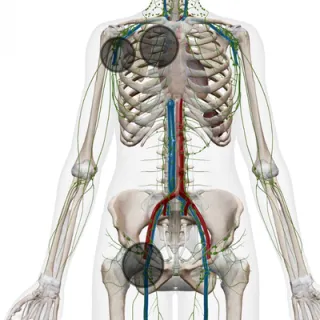
R/L 1 Lymph Drains
The lymphatic system is your body’s clean-up and immune support network. It collects extra fluid from your tissues (called lymph) along with waste and germs, then moves it through lymph vessels and returns it back to the bloodstream. Lymph nodes are small, bean-shaped “filter stations” along the way that screen the lymph and help your immune system respond—this is why they can get swollen or tender when you’re fighting something. Nodes are grouped into clusters in key areas like the neck, armpits, abdomen, groin, and behind the knees, where they help monitor and drain larger regions of the body.
Tips and Tricks: This signal should have a subtle bounce to it and is fairly easy to move the energy in it. It is common for the left foot to feel more congested than the right.
R/L 2 Legs
The legs are built for support, movement, and circulation, made up of bones, joints, muscles, nerves, and blood vessels working together. The thigh contains the femur and powerful muscles like the quadriceps (front) and hamstrings (back) that extend and bend the knee, while the hip joint allows the leg to move in multiple directions. Below the knee, the tibia (main weight-bearing bone) and fibula support the lower leg, and muscles in the calf and shin control ankle and foot motion—pushing off to walk (calf muscles) and lifting the foot to prevent tripping (shin muscles). The knee, ankle, and smaller foot joints provide stability and shock absorption as you stand and move. Nerves from the lower spine (mainly the sciatic nerve and its branches) carry signals for sensation and muscle control. Arteries deliver oxygen-rich blood down the leg, and veins return blood back to the heart; the calf muscles act like a “pump” to help push blood upward against gravity. Lymph vessels also help drain excess fluid from the tissues, supporting immune function and reducing swelling.
Tips and Tricks: Since this single has a lot of muscle, you can expect it to feel more firm. Pay attention to landmarks. And remember, if a nerve is inflamed you may need to gently relax the muscle prior to calming it down.
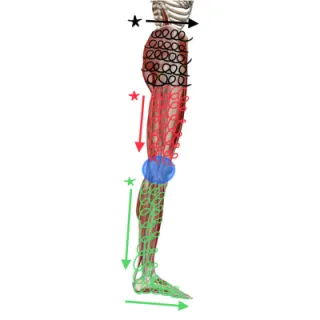
R/L 3 Lymph of the Legs
The lymph system in the leg is the body’s clean-up and drainage network. It collects extra fluid, proteins, and cellular waste that leak out of tiny blood vessels into the tissues, then moves that fluid (lymph) back toward the bloodstream to prevent swelling and support healthy circulation. Along the way, lymph travels through lymph nodes—small “filter stations” that help trap debris and support the immune system by monitoring for germs and inflammation. Because lymph doesn’t have a pump like the heart, it relies on muscle movement, breathing, and one-way valves in the vessels to keep it flowing upward from the feet and lower leg toward the torso.
Tips and Tricks: Try to feel the squishy lymph in the muscles and pay attention to places the lymph may pool such as the feet, ankles, and lower legs. Drain as often as you need.
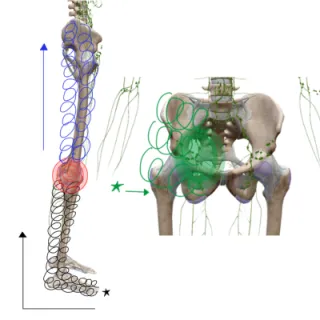
R/L 4 Hips
The hip and outer pelvis form a strong, stable “ring” that supports the spine and trunk while allowing powerful, smooth movement of the legs. Structurally, the pelvis is made of the hip bones (ilium, ischium, and pubis) that connect to the sacrum in the back, and the femur (thigh bone) fits into the hip socket (acetabulum) to create the hip joint. This joint is stabilized by thick ligaments and a labrum (a rim of cartilage) and is moved by major muscle groups—glutes, hip flexors, hamstrings, adductors, and deep rotators—that control walking, standing, balance, and posture. The outer pelvis and hip are also a key pathway for nerves and blood vessels that travel from the low back and pelvis into the leg, including branches of the lumbar and sacral plexuses (such as the sciatic region), which influence sensation and muscle function down the thigh and below. Overall, this area is designed to bear weight, protect important pelvic structures, and coordinate the transfer of force between the upper and lower body.
Tips and Tricks: This is a deep signal that can be sensitive. Go slow and try not to cause too much pain.
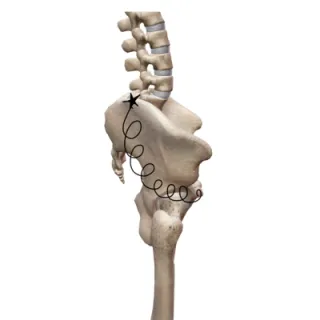
R/L 5 Sciatic Nerve Plexus
The sciatic nerve is the largest nerve in the body and is the main communication “highway” from the low back and pelvis to the back of the hip, thigh, and lower leg. It forms from several nerve roots in the lower spine (lumbar and sacral region) that join together, pass through the pelvis, and usually travel beneath the piriformis muscle before running down the back of the thigh. Along its path, it carries motor signals that help control key leg muscles and sensory signals that influence feeling in the leg and foot. Near the knee, it typically divides into the tibial and common fibular (peroneal) nerves, which continue into the lower leg and foot. Because it crosses the low back, hip, and pelvic structures, irritation or compression anywhere along its route can contribute to radiating pain, tingling, numbness, or weakness that travels from the buttock down the leg.
Tips and Tricks: This nerve can become highly sensitive. Try relaxing the muscles prior to working on the nerve. If the client has Sciatica, you may want to add oils and gently relax the pelvic muscles prior.
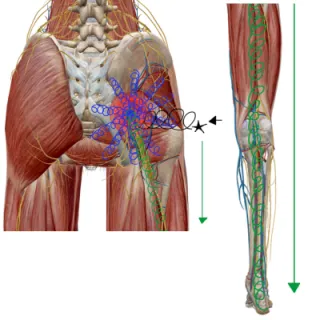
R/L 6 Lateral Pelvic Diaphragm
The “lateral pelvic diaphragm” (outer hip muscles working together with the pelvic floor) is a supportive, stabilizing system that helps hold the pelvis level, protect the low back, and create a strong base for walking, standing, and lifting. The outer hip muscles—especially the gluteus medius and minimus, deep rotators, and surrounding fascia—act like guide wires that keep the femur centered in the hip socket and prevent the pelvis from dropping side-to-side with each step. The pelvic floor forms the “bottom” of the core, supporting pelvic organs and coordinating with the deep abdominal muscles and diaphragm for healthy pressure control, breathing mechanics, and continence. Together, this lateral hip–pelvic floor network contributes to posture, balance, hip mobility, and efficient movement patterns, and it can become tight, weak, or overactive when there’s prolonged sitting, injury, childbirth, chronic stress, or compensation from foot/knee alignment. When this system is imbalanced, people may notice hip tension, low back discomfort, pelvic heaviness, or a sense of instability through the hips and core.
Tips and Tricks: Since this is a muscle, you can use slightly more firm pressure. However, if they have any nerve pain or Ovary issues, you will want to adjust your pressure.
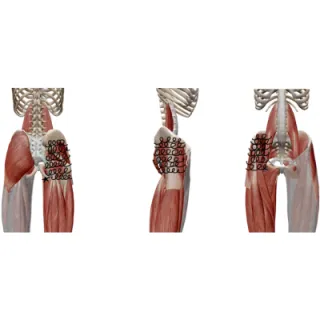
R/L 7 Lateral Pelvic Diaphragm
The anus is the final opening of the digestive tract and plays a key role in continence and healthy elimination. It is surrounded by two main sphincters: an internal sphincter (involuntary, smooth muscle) that stays gently closed to prevent leakage, and an external sphincter (voluntary, skeletal muscle) that allows conscious control of bowel movements. These muscles work closely with the pelvic floor and the rectum to sense fullness, coordinate relaxation and tightening, and support proper pressure control during elimination. The area has a rich blood supply and many sensitive nerve endings, which is why it can be prone to discomfort when irritated. Healthy function depends on good circulation, balanced pelvic floor tone, hydration, fiber intake, and regular bowel habits without excessive straining.
Tips and Tricks: This is a highly emotional signal and often deeps with control, emotional processing, and "letting go".
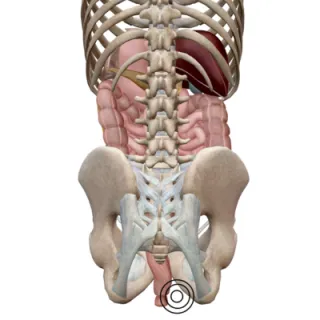
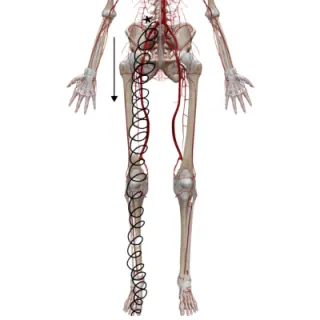
R/L 8 Blood Supply Into The Leg
Blood supply into the leg is delivered through a strong pathway of arteries that carry oxygen- and nutrient-rich blood from the heart down into the pelvis and lower limb. The main vessel (the aorta) branches into the iliac arteries in the pelvis, which become the femoral artery in the front of the hip and thigh—this is the primary “main line” feeding the leg. As it travels downward, it gives off branches to the muscles and skin and continues behind the knee as the popliteal artery, then divides into arteries that supply the lower leg and foot (including the tibial arteries). After tissues use that oxygen and nutrition, veins return blood back up the leg toward the heart, helped by one-way valves and the pumping action of walking and calf muscle contraction. Healthy blood flow supports warmth, healing, energy in the muscles, and normal nerve function throughout the leg.
Tips and Tricks: This signal is helpful for circulation issues and healthy muscles.
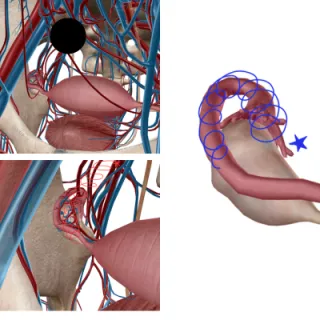
R/L 9 Pelvic Blood Supply and Ovary
Internal Iliac Artery & Vein (overall function):
The internal iliac artery and vein are major “supply and return” vessels deep in the pelvis. The internal iliac artery branches off the common iliac artery and sends oxygen-rich blood to many pelvic structures, including the pelvic muscles, bladder, rectum, uterus/cervix and vagina (in females), prostate (in males), and the gluteal (buttock) region. The internal iliac vein runs alongside these arteries, collecting oxygen-depleted blood and waste products from the same pelvic organs and tissues and returning it back toward the heart through the common iliac vein. Together, these vessels support healthy circulation, tissue nourishment, healing, and normal pelvic organ function.
Opening the signal: Ovaries + first ⅓ of the Fallopian Tubes:
The ovaries and the first third of the fallopian tubes are key parts of the female reproductive system, responsible for releasing eggs (ovulation), producing hormones (especially estrogen and progesterone), and receiving the egg into the tube for possible fertilization and early transport. Healthy function here depends on strong pelvic blood flow for hormone production and tissue health, balanced nerve signaling for rhythmic tube movement, and clear lymph/venous drainage to reduce congestion and inflammation. When this area is under stress or irritated, it can be reflected as cycle irregularity, pelvic heaviness, cramping, tenderness, or discomfort around ovulation.
Tips and Tricks: Accuracy is key for this signal. Try "Micro Zoning" and feeling for the ovary. You may only feel the ovary when they are ovulating, high hormones, blocked emotions, or an ovarian cyst.
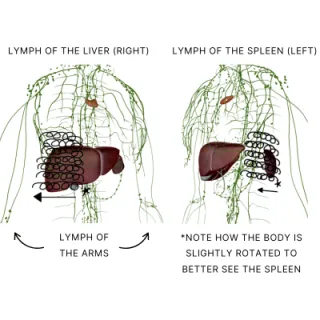
R/L 10 Lymph of the Liver and Spleen
The lymph of the liver and spleen is a major part of the body’s cleanup and immune-defense system. The liver produces a large amount of lymph as it filters blood, processes nutrients, breaks down toxins, and manages inflammation; lymph vessels help carry away excess fluid, proteins, and waste from liver tissues and return it to the bloodstream, supporting healthy circulation and reducing congestion. The spleen—often called a blood and immune “filter”—is rich in lymphatic tissue and helps screen the blood for pathogens, remove old blood cells, and support immune cell activity. Together, the lymph flow of the liver and spleen supports fluid balance, immune response, and the body’s ability to clear debris and maintain overall resilience.
Tips and Tricks: Try feeling for squishiness of the lymph and make note of any pain or discomfort.
R/L 11 Shoulder, Arm, and Hand
The shoulder, arm, and hand work together as a highly mobile yet stable system designed for reaching, lifting, and precise fine-motor control. The shoulder complex (clavicle, scapula, and humerus) creates a wide range of motion through coordinated joints, while the elbow and wrist position the forearm and hand for strength and accuracy. Major muscle groups—rotator cuff, deltoid, biceps/triceps, forearm flexors and extensors, and the small intrinsic hand muscles—provide stability, power, and refined movement for gripping and dexterity. Nerve supply from the brachial plexus (especially the median, ulnar, and radial nerves) carries sensation and motor control into the arm and hand, and arteries and veins deliver and return blood to support endurance, warmth, and healing. Lymph drainage helps manage fluid balance and immune support in the arm and hand, especially through the armpit (axillary) region.
Tips and Tricks: When working on this signal, be sure to stabilize the toe. Make sure you are accurate and use small walking drills when looking for micro details such as nerves or connective tissue.
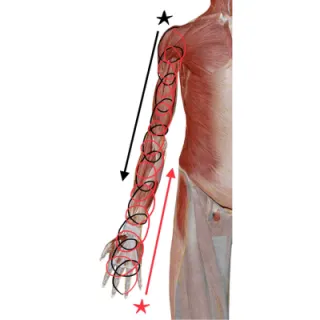
R/L 12 Outer Lymph System
This signal is considered a body meridian technique and is often referred to as a “Helper Signal” due to it’s ability to help move the meridian energy above the flexure of the ankle. The vast majority of our signals are found below the flexure of the ankle and are called “End Point Signals”. All End Point Signals are a reflection of the meridians of the body, mapped out on the feet.
It is important to understand that “Helper Signals” are not anatomically accurate in comparison to “End Point Signals” and the landmarks of the feet.
However, we have shown the area that is being stimulated in this technique.
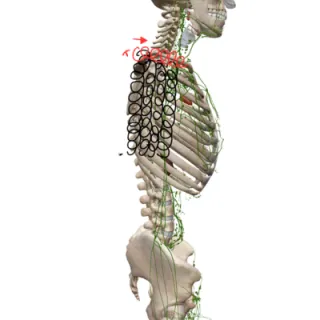
Tips and Tricks: We moved the drill of the inguinal lymph drain to R/L 13 of the thoracic lymph so that it aligns better with the intention of the technique. Drill as needed.
Downloadable Documents PDF
Quicksheets are designed to support students when offering short, partial sample foot zones—such as at events, retreats, or conferences. While these can be helpful in a quick setting, a full foot zone session is always recommended for the best results. We encourage students to clearly explain to recipients that a partial zone is a brief introduction, and that the most complete benefits come from a full session.
Partial Zones Digestive Quicksheet (Meant to be printed Double-Sided)
Partial Zones Back Treatment Quicksheet (Meant to be printed Double-Sided)
Partial Zones Mental Health Quicksheet (Meant to be printed Double-Sided)
Partial Zones Whole Body Health Quicksheet (Meant to be printed Double-Sided)
Partial Zones Headache Relief Quicksheet (Meant to be printed Double-Sided)
Downloadable Graduation and Association Certificates PDF (Student ID Required)
Continued Education Opportunities
**Important ** For all Advance Classes, you will purchase your book directly below for $75. This is considered your non-refundable deposit and will save your spot in class. Remaining balance will be paid to your individual instructor privately. After your payment has been submitted, you will be taken to a form to fill out your class information and select your instructor's name at that time. At that point, your instructor will be notified automatically and your book order will be placed.
2 Day Business & Marketing Workshop & 6 Week Accelerator by Shanelle
Oct. 9th and 10th Online

For Shanelle's Classes, please click the link below to sign up and purchase her classes.
Signal and Anatomy Deep Dive Class by Vanessa
Nov. 6 and 7, 2026 in Grand Junction, CO

Purchase your Required Auditor's Manual below. If you already have the Auditor's manual use the code VANESSA to zero out your balance.
The Energy Connection Class by Sue
November 13 and 14, 2026 in Wellsville, UT.
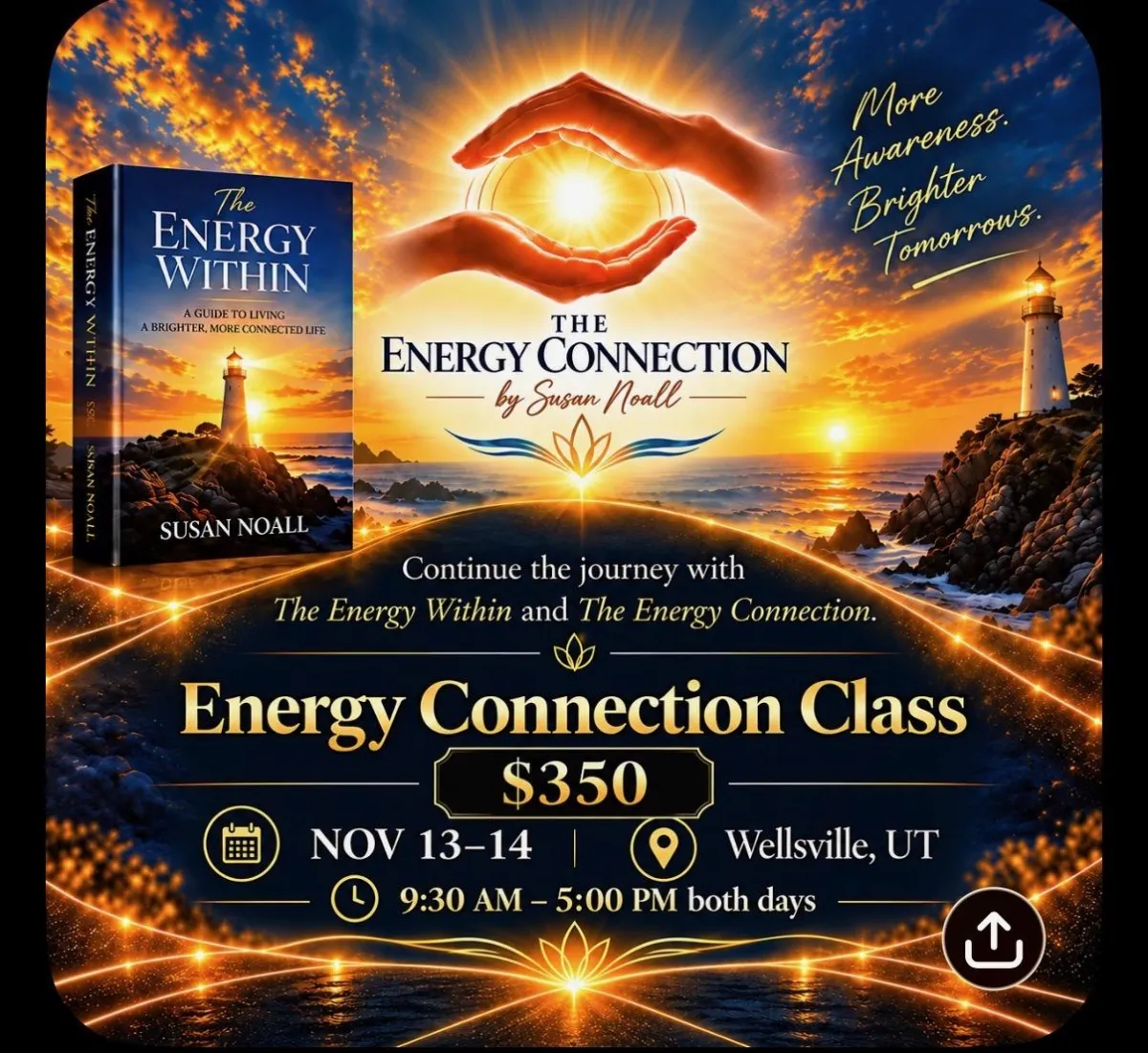
For Sue's Energy Class, use the coupon code SUE at checkout and it will zero out your balance. Sue prefers to handle payments and book orders personally. This registration process will notify her that you are wanting to attend class and she will text you directly.
Foot Zone Signal Intuition Mastery Class by Bree
November 13 and 14, 2026 in Lehi, UT. OR
Jan. 15 and 16, 2027 in Wellsville, UT.
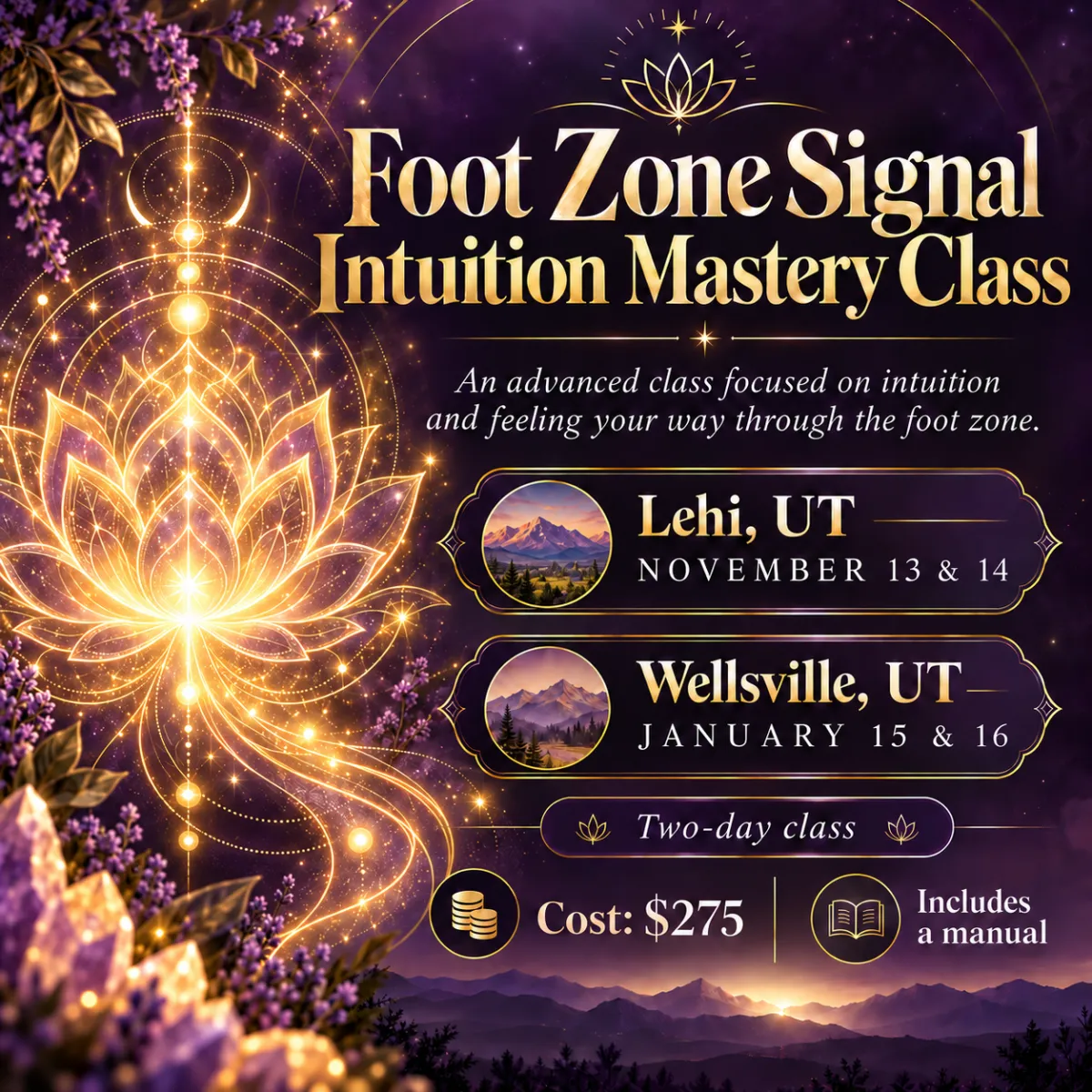
Purchase your Required Auditor's Manual below. If you already have the Auditor's manual use the code BREE to zero out your balance.
Pregnancy RRR Specialist Class by Bree and Mandee
January 22 and 23, 2027 in Eagle Mountain, UT. OR
February 19 and 20, 2027 in Wellsville, UT.

Purchase your Required Auditor's Manual below. If you already have the Auditor's manual use the code BREE to zero out your balance.
Foot Zone 2.0 Class (4-Day Course) by Mandee
April 3, 2027
May 1, 2027
June 5, 2027
July 17, 2027

Purchase your Required Auditor's Manual below. If you already have the Auditor's manual use the code AMANDAKAE to zero out your balance.
Favorite Resources: Youtube Videos, Tutorials, Inspiration, & Books Recommendations
As an Amazon Associate we may earn from qualifying purchases



Post Address and Mail
Address
Office: Wellsville, UT.
Classes are held wherever our instructors are located. We have classes in Utah, Idaho, Nevada, Colorado, California, Wisconsin, and Online everyone else.
If you would like an in-person class to be taught in your area, send Brad Noall a message. We have instructors willing to travel. Travel locations requirements depend upon availability, number of students in new location, and travel expenses.
Get In Touch
Phone Number: Text or Call
Brad Noall Owner
(435) 764-9532